A hand-eye coordination test is the part of pilot selection where you stop answering questions and start flying something, usually a dot, a cross or a moving segment, with a joystick, two knobs or a pair of pedals. Most pilot batteries include one, but they do not all look alike, and candidates who have only seen one format are often thrown by another. This guide maps where these tests appear, the formats you are likely to meet, what the scoring rewards and practical drills you can start this week.
Aviation Aptitude is an independent training platform with no affiliation to DLR, Lufthansa Group, EPST, Symbiotics, Schuhfried, the Royal Air Force, the Canadian Armed Forces or the US armed forces. Test contents are candidate-reported unless an official source is named.
If you want the deep dive on a single format, the rate-control tracking task with invisible turbulence, read our dedicated psychomotor tracking test guide. This page is the wider map.
What Does a Hand-Eye Coordination Test Measure?
Selection psychologists usually call it psychomotor ability: turning what you see into accurate, well-dosed movement, continuously and under time pressure. Three things are being measured at once:
- Precision: how close you keep the target to where it should be
- Control style: whether your corrections are small and early or large and late
- Robustness: whether your control survives when other tasks are added on top
The third point is the one candidates forget. In many batteries the pure tracking task is only the warm-up; the scored version runs while you also do arithmetic, monitor gauges or listen for calls.
Where Hand-Eye Coordination Tests Appear
Official sources confirm some of these, and candidates report the rest:
- DLR: candidates commonly report psychomotor and multitasking tasks, especially in later stages of airline selection
- Lufthansa Group assessment: the European Flight Academy describes psychomotor tests as part of its assessment centre
- COMPASS and Advanced COMPASS: candidates report control tasks flown with a stick, alone and combined with other tasks
- PILAPT: tracking tasks are the battery's best-known component, according to candidates
- Vienna Test System: Schuhfried's airline pilot test set includes 2HAND, a two-hand coordination test, and the system also offers SMK, which can use joysticks or foot pedals
- Canadian Forces aircrew selection: the official CFASC candidate guide lists a Sensory Motor Apparatus test with joystick and foot pedal, and a Rapid Tracking test
- RAF CBAT: candidates report joystick and pedal coordination tasks at RAF College Cranwell
- US military batteries: the Air Force's Test of Basic Aviation Skills and the performance-based section of the Navy's ASTB include joystick tracking tasks; see the AFOQT and ASTB guides
Providers update their batteries regularly, so read this list as a guide to what is common, not a promise of what you will see.
The Five Formats You Are Likely to Meet
1. Compensatory Tracking
A marker drifts away from a fixed centre and you push it back. You only see the error, not the disturbance causing it. This is the classic format, often with rate control, where the stick sets the marker's speed rather than its position. Our psychomotor tracking test guide explains this one in detail.
2. Pursuit Tracking
The target moves along a path and you follow it with a cursor. Because you can see where the target is going, prediction matters: the best candidates aim slightly ahead of it. Some versions briefly hide the target and score how well you anticipate its path.
3. Two-Hand Coordination
Each hand controls one axis, for example the left hand horizontal and the right hand vertical. Diagonal and curved paths force both hands to move at once in different amounts. This format punishes alternating between hands, which turns a curve into a staircase.
4. Hand-Foot Coordination
Foot pedals take over one axis, usually horizontal, like rudder pedals in an aircraft. The feet are less precise than the hands, so the skill is dosing small pedal inputs while the hand flies the other axis.
5. Tracking Under Load
Any of the above, with extra tasks on top: arithmetic, gauges, memory items or audio calls. Scoring typically combines tracking error with performance on the added tasks, so dropping the tracking to solve a sum costs you. Our multitasking test guide covers the scan strategy.
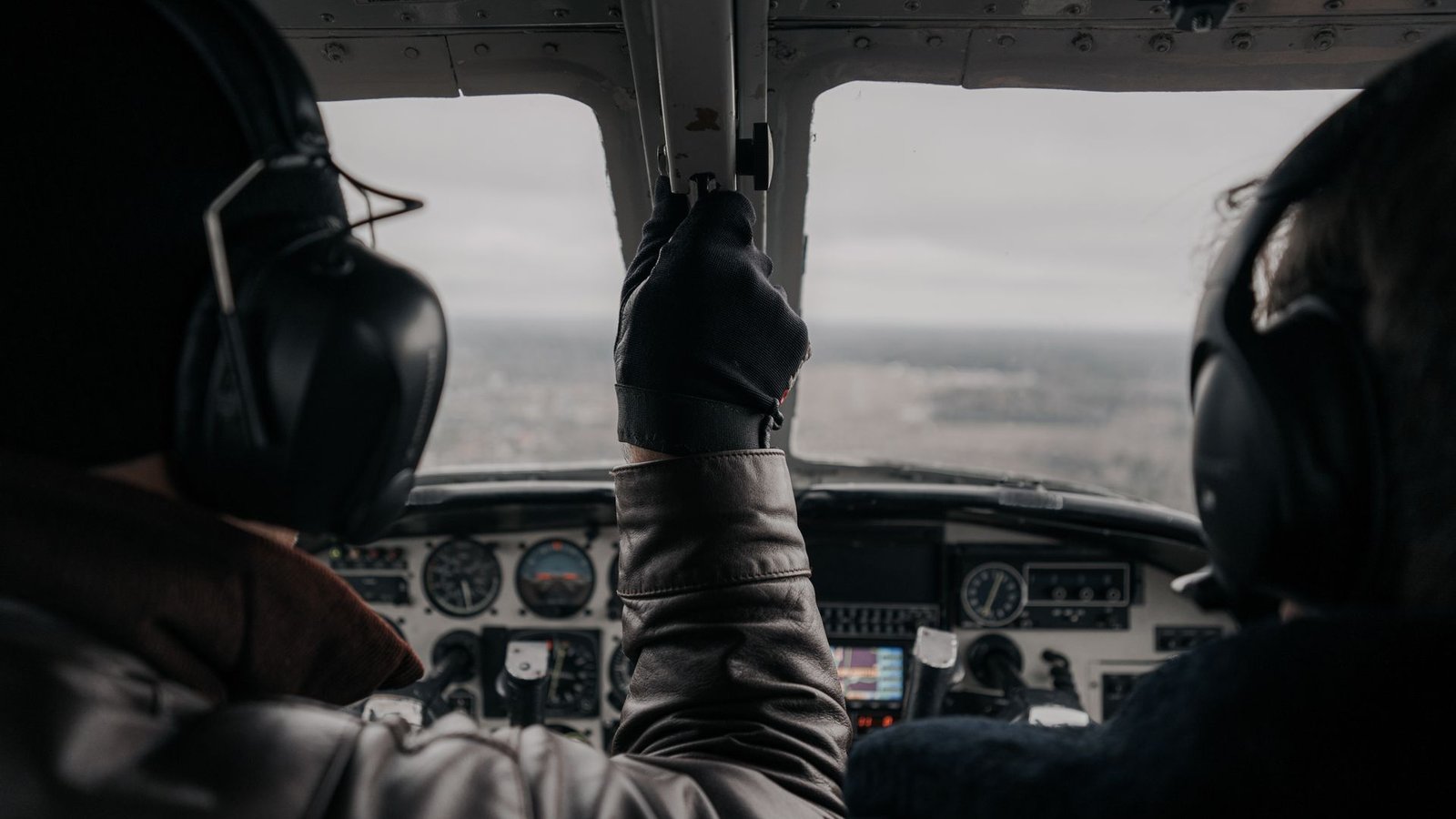
Every format scores the same habit: small corrections made early. Big corrections made late are the most common way to lose points.
How Hand-Eye Coordination Tests Are Scored
Details vary, but most tracking scores are built on accumulated error over time: how far, and for how long, the marker was away from the target. Many systems also record time on target and the size and frequency of your inputs. Two consequences follow. A single wild excursion stays in the total, so recovery speed matters. And sawing the stick back and forth can look busy while scoring badly, because overcorrection adds error rather than removing it.
Drills That Actually Work
You do not need a flight simulator, but you do need regular, short, honest practice.
- Daily tracking sessions of ten to fifteen minutes. Short and frequent beats long and rare for motor learning. The Psychomotor Tracking module gives you a score and a control-style read after every run.
- The minimum-input drill. For one session, try to keep the target with the smallest inputs you can. You will discover that most of your previous corrections were too big.
- Watch direction, not position. Correct as soon as the marker starts drifting, not when it reaches the edge.
- Bimanual practice. Any two-stick or two-thumb control task that makes both hands work at once on different axes builds the coordination two-hand tests reward.
- Add a second task. Once tracking is smooth, practise it with arithmetic or listening on top, as in the divided attention test guide. This is where trained candidates pull ahead.
- A cheap joystick, if you have one. A desktop flight simulator flown gently, with smooth climbs, turns and level flight, transfers well. Flying aggressively does not.
- Stay loose and rested. A tight grip and poor sleep both show up as overcorrection.
Common Mistakes to Avoid
- Gripping the stick hard and making jerky, oversized corrections.
- Chasing every small wobble instead of the overall drift.
- Freezing after a large error instead of recovering quickly.
- Practising tracking only on its own, then meeting it combined with other tasks for the first time.
Frequently Asked Questions
What is a hand-eye coordination test for pilots?
It is a psychomotor task in which you control a moving marker with a joystick, knobs or pedals to keep it on a target. It measures precision, control style and how well your control holds up when other tasks are added.
Can you improve hand-eye coordination for a pilot aptitude test?
Yes. Familiarity with the control law and the habit of small, early corrections usually bring fast early gains, and short daily practice keeps improving consistency.
Do I need a joystick to practise?
No. Mouse or touch tracking trains the same correction habits. A joystick and desktop simulator are a useful extra if you already have them, as long as you fly gently.
Which pilot tests include hand-eye coordination?
Candidates commonly report psychomotor tasks in DLR, Lufthansa Group, COMPASS and PILAPT assessments, and official sources confirm them in the Vienna Test System pilot set and Canadian Forces aircrew testing. Most military batteries include them too.
Practice This Skill
Start with the Psychomotor Tracking module for pure control technique, then move to the Flight Director module for command-following flying, the Multitasking module for tracking under load and the Divided Attention module for split attention. Level 1 of each is free. For a full schedule, follow the 6 week study plan.