Lufthansa's cadet pipeline is the reference case of European pilot selection: a state research institute runs the testing, the process stretches across multiple days, and the aptitude bar is set famously high. It is also, for exactly those reasons, the most preparable selection in the industry: the stages are well documented by decades of candidates. This guide maps the journey and the preparation that fits each stage.
What is the Lufthansa Cadet Assessment?
Lufthansa group airlines recruit ab initio cadets through programs run with the European Flight Academy, and the aptitude screening is traditionally operated by the German Aerospace Center (DLR) in Hamburg. That outsourcing is the defining feature: candidates face a scientifically constructed battery rather than an airline's in-house quiz, and the same campaign model serves Lufthansa, its group carriers and several partner organizations.
The selection classically runs in two testing stages. The first, the BU (Berufsgrunduntersuchung), is a full day of computer-based cognitive testing: memory, attention, spatial reasoning, mental arithmetic, English and knowledge tests. The second, the FU (Firmenqualifikation), spans additional days for the survivors: group exercises, a multitasking simulation, and interviews with airline and DLR representatives. Our DLR test guide covers the cognitive battery module by module.
Aviation Aptitude is an independent training platform with no affiliation to Lufthansa, the European Flight Academy or DLR; details reflect public information and candidate reports, and the airline revises its programs and requirements over time.
Lufthansa Cadet Programme Requirements
Exact conditions belong to each intake and change over time, so always verify the current listing on the European Flight Academy careers pages. That said, candidates commonly report the following requirements for the cadet programme:
- Education: a higher-education entrance qualification (Abitur or an equivalent school-leaving certificate).
- Age: applications accepted from the late teens, with programmes historically aimed at young candidates; check the current intake's exact window.
- Languages: solid German and English, both of which also run through the assessment itself.
- Medical: eligibility for a Class 1 medical, including vision within correctable limits; a pre-check with an aeromedical examiner before applying is cheap insurance.
- Formalities: an EU-compatible right to work and train, a clean record for the airline's background checks, and swimming ability is commonly listed among the practical conditions.
None of these requirements are the real filter; the DLR-run aptitude testing is. Meeting the entry conditions gets your file read, and the BU decides everything after that.
Which Skills Does the Assessment Test?
The reported cognitive formats map directly onto our catalog:
- Memory under load: continuously updated sequences, as in the running memory span test and audio visual memory test
- Spatial reasoning: rotation and folding items, as in the cube rotation test and cube folding test
- Attention endurance: long detection blocks, as in the sustained attention test and concentration test
- Numerical fluency: timed arithmetic and series, as in the mental arithmetic test and number series test
- Multitasking and monitoring: stacked displays and dual tasks, as in the monitoring test and divided attention test
- Knowledge and language: school-level mathematics and physics, plus English
- Behavior, in the second stage: group planning exercises, a personality dimension of the kind described in our personality test guide, and structured interviews
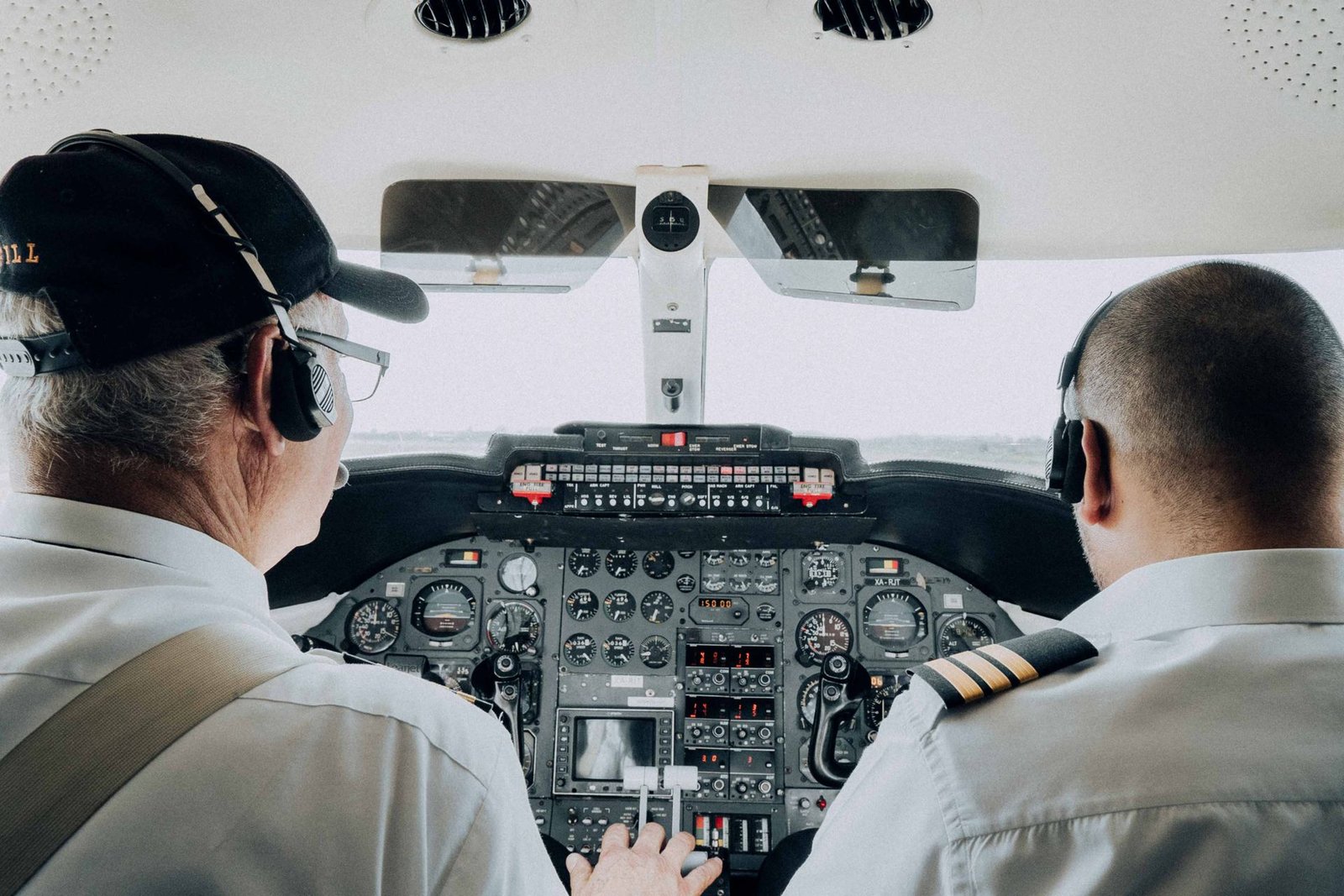
How the Campaign Runs
Applications go through the airline's cadet portal; invitations then arrive stage by stage, often weeks apart. The BU day is dense by design, module after module with short briefings, and its results gate everything after it. The FU shifts the question from ability to trainability: assessors watch how you share workload in a team task, how you handle the multitasking simulation as it saturates, and how consistently your interview matches your file. Offers follow the final board, with medical certification running alongside.
The BU asks whether you can be trained. The FU asks whether they want to train you. Different questions, different preparation.
How to Prepare: Strategies That Actually Work
- Give the BU the full program. This is the highest cognitive bar in the industry; six weeks of structured, weakness-first training is the appropriate response. Our 6 week study plan is built for exactly this shape.
- Refresh maths, physics and English early. The knowledge components are school level but timed; recent practice is what makes them fast.
- Train dual-task formats specifically. The battery's audio-visual and multitasking elements punish single-channel preparation; modules like cross-modal attention build the split directly.
- Rehearse the full testing day weekly. Chained modules in one sitting, started cold. The BU's length is part of its difficulty.
- Prepare the FU as behavior, not content. Practice thinking aloud, inviting quieter teammates in, and staying constructive when a group plan collapses; assessors score the collaboration, not the plan.
- Keep one honest story. Questionnaires, exercises and interviews are cross-checked over multiple days; consistency is both the ethical and the winning strategy.
Common Mistakes to Avoid
- Preparing casually because "you can't study for aptitude tests"; DLR's formats are documented and trainable.
- Ignoring the knowledge tests while polishing cognitive modules, and failing the day on school maths.
- Dominating the group exercise to look like a leader; the scoring reads it as a warning sign.
- Booking the BU date before a single full-length rehearsal.
Frequently Asked Questions
What are the requirements for the Lufthansa cadet programme?
Candidates commonly report Abitur or an equivalent qualification, solid German and English, Class 1 medical eligibility and a young age window; the decisive requirement in practice is passing the DLR-run aptitude testing.
Is Lufthansa cadet training free?
Cadet schemes commonly involve substantial training costs with financing arrangements that vary by programme and year; check the European Flight Academy's current terms, as models have changed over time.
Can you retake the Lufthansa DLR test?
Candidates commonly report strict limits, often a single repeat attempt after a waiting period; treat the BU as effectively one-shot and prepare accordingly.
Do I need to speak German for the Lufthansa cadet programme?
German is generally part of the requirements and the assessment environment for Lufthansa-group programmes; verify the current language conditions for your specific intake.
Practice This Skill
Every cognitive format above has a training module in the Aviation Aptitude app and a strategy guide on this site, starting with the DLR test guide. Run the free diagnostic, train your ranking from the bottom, and arrive in Hamburg with no unfamiliar formats left.