Asia's most decorated airline runs one of the region's most selective cadet schemes. Singapore Airlines takes candidates with no flying experience, trains them from zero, and places them in the right seat of a widebody fleet, which is exactly why the application pile is enormous and the filter is severe. This guide covers the reported requirements, the selection stages, where the training happens, and how to prepare for the part that actually decides your outcome.
What is the Singapore Airlines Cadet Pilot Programme?
The programme is an ab initio cadet scheme: selected candidates are employed by the airline and sent through a structured flying course, historically including training at the SIA Flying College in Jandakot, Western Australia, followed by type conversion and line training back home. Cadets join the airline's fleet on completion, bonded for a service period.
Two features define it. First, eligibility is tighter than most European schemes: the programme has traditionally prioritised Singapore citizens and permanent residents, and male applicants commonly need to have completed National Service. Second, selection is long and multi-stage, with cognitive testing early and heavy behavioural assessment later. Singapore Airlines revises its requirements and intake windows regularly and publishes no syllabus for its tests, so treat everything below as candidate-reported guidance and confirm current conditions on the airline's careers pages. Aviation Aptitude is an independent training platform with no affiliation to Singapore Airlines.
Singapore Airlines Cadet Requirements
Exact conditions belong to each intake. Candidates commonly report:
- Citizenship: Singapore citizenship or permanent residency, with National Service completed where applicable.
- Education: a strong academic record, typically a local diploma or degree, with mathematics and physics valued at school level.
- Age: a young applicant window defined per intake.
- English: full professional fluency, used throughout testing, interviews and the training that follows.
- Medical: eligibility for the applicable Class 1 standard, including vision within correctable limits.
- Commitment: readiness for a multi-year training bond, which the interview panels probe directly.
Meeting the list gets your file read. The aptitude testing is what decides whether you progress.
The Selection Stages
Candidates commonly describe a staged process running over months:
- Online application and screening, where academic record and eligibility are checked before anything else.
- Computer-based aptitude testing: memory, spatial reasoning, numerical work and multitasking of the kind covered in our COMPASS and Aon cut-e guides, since Asian carriers commonly license instruments from the same families.
- Psychomotor and simulator-style assessment, where hand-eye control and instrument following are sampled, the skills trained in our psychomotor tracking and flight director modules.
- Interviews and group exercises, probing motivation, teamwork and comfort with a famously procedural service culture.
- Medical and final board, followed by a training start date.
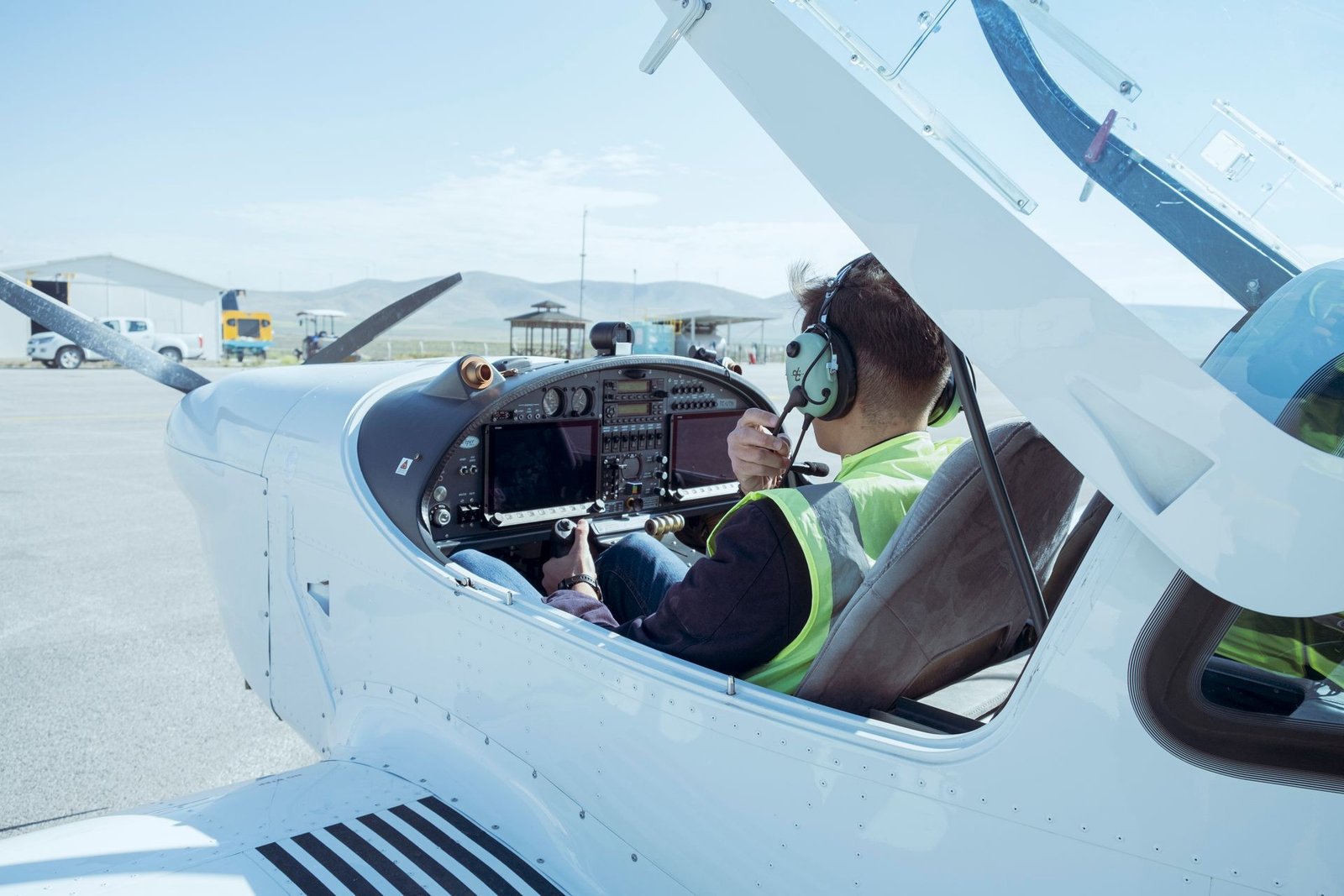
A cadet scheme with no flying prerequisite has only one way to choose: measure trainability. That is what every stage before the medical is doing.
How to Prepare: Strategies That Actually Work
- Train the aptitude core before applying. Testing arrives early and the invitation gives little notice; our 6 week study plan is built for exactly this window.
- Give psychomotor work real time. Asian cadet schemes commonly include control tasks, and smooth, early corrections are a trained habit, not a talent; the tracking module builds it directly.
- Automate mental arithmetic. Speed, distance, time and fuel questions reward reflexes, and reflexes decay without daily practice.
- Prepare the commitment answer honestly. Bonds and relocation are real; panels test whether your enthusiasm survives the details.
- Rehearse group behaviour. Contribute early, build on others, manage the clock aloud: assessors score collaboration, not dominance.
- Compare neighbouring pipelines. If eligibility is a barrier, the Emirates and Qatar Airways programmes recruit internationally in some rounds, and the preparation transfers entirely.
Common Mistakes to Avoid
- Applying first and preparing later, when the aptitude stage follows the application quickly.
- Practising puzzles while the psychomotor and multitasking stages go untrained.
- Treating the group exercise as a competition to win rather than a crew to work in.
- Ignoring the bond terms until the final interview, where hesitation reads as uncertainty.
Frequently Asked Questions
Can foreigners apply to the Singapore Airlines cadet programme?
Intakes have traditionally prioritised Singapore citizens and permanent residents, with National Service completed where applicable; eligibility changes between campaigns, so check the current listing before preparing an application.
Is Singapore Airlines cadet training paid?
Cadets are employed by the airline and trained through its programme, with a service bond attached; confirm the current financial and bond terms directly with the airline, as they are revised over time.
Where do Singapore Airlines cadets train?
Flying training has historically taken place at the airline's flying college in Jandakot, Western Australia, followed by type conversion and line training; current arrangements belong to each intake.
What tests does the Singapore Airlines cadet selection use?
Candidates commonly report computer-based cognitive testing covering memory, spatial reasoning, numerical work and multitasking, plus psychomotor assessment, interviews and group exercises; the aptitude round is the stage that responds most to preparation.
Practice This Skill
The decisive stage of any ab initio cadet scheme is the aptitude battery, and every reported format has a timed module in the Aviation Aptitude app, with a free diagnostic that shows where you stand today. Read the airline pilot selection guide for the wider pipeline, and start the plan before the window opens.