Air traffic control is one of the few elite aviation careers that asks for no degree, no flight hours and no family money: providers select on raw aptitude and then pay you to train. The catch is arithmetic, because thousands apply for each academy seat, and the filter that decides is a set of trainable cognitive tests. This guide walks the whole route in Europe: requirements, selection, training, licensing and realistic timelines.
What Does the Route Look Like?
European controllers are hired by air navigation service providers (ANSPs): national organisations such as the UK's NATS, Germany's DFS, France's DSNA, Spain's ENAIRE or Switzerland's skyguide, plus EUROCONTROL's own centre in Maastricht. The route is remarkably consistent across countries:
- Meet the entry requirements: typically secondary education, an age window (commonly starting at 18, with some providers capping applications around the mid-twenties to thirty), strong English, and eligibility for the medical.
- Apply in a campaign window and pass aptitude selection, usually a FEAST-style battery plus simulations, questionnaires and interviews.
- Pass the Class 3 medical (vision, hearing, general and mental health) and background checks.
- Complete academy training, paid or sponsored, from several months to about two years: theory, simulators, and a stream decision between tower (aerodrome), approach and area (en-route) control.
- Earn the student licence, then unit training at a live position with an instructor, ending in the full ATCO licence with ratings for your unit. From first application to a fully rated controller commonly takes two to four years.
The demanding part is concentrated at step 2, which is also the only step you can meaningfully train for in advance; our ATC selection process guide breaks that stage down in detail.
What Selection Actually Tests
Whatever the country, the aptitude phase samples the same skill set: working memory, divided attention, spatial orientation, speed-distance-time arithmetic, vigilance, and dynamic radar-style simulations like the sector control test, plus English and a personality questionnaire. Provider-specific guides: NATS for the UK, DFS for Germany, NAV CANADA beyond Europe, and the US ATSA for comparison.
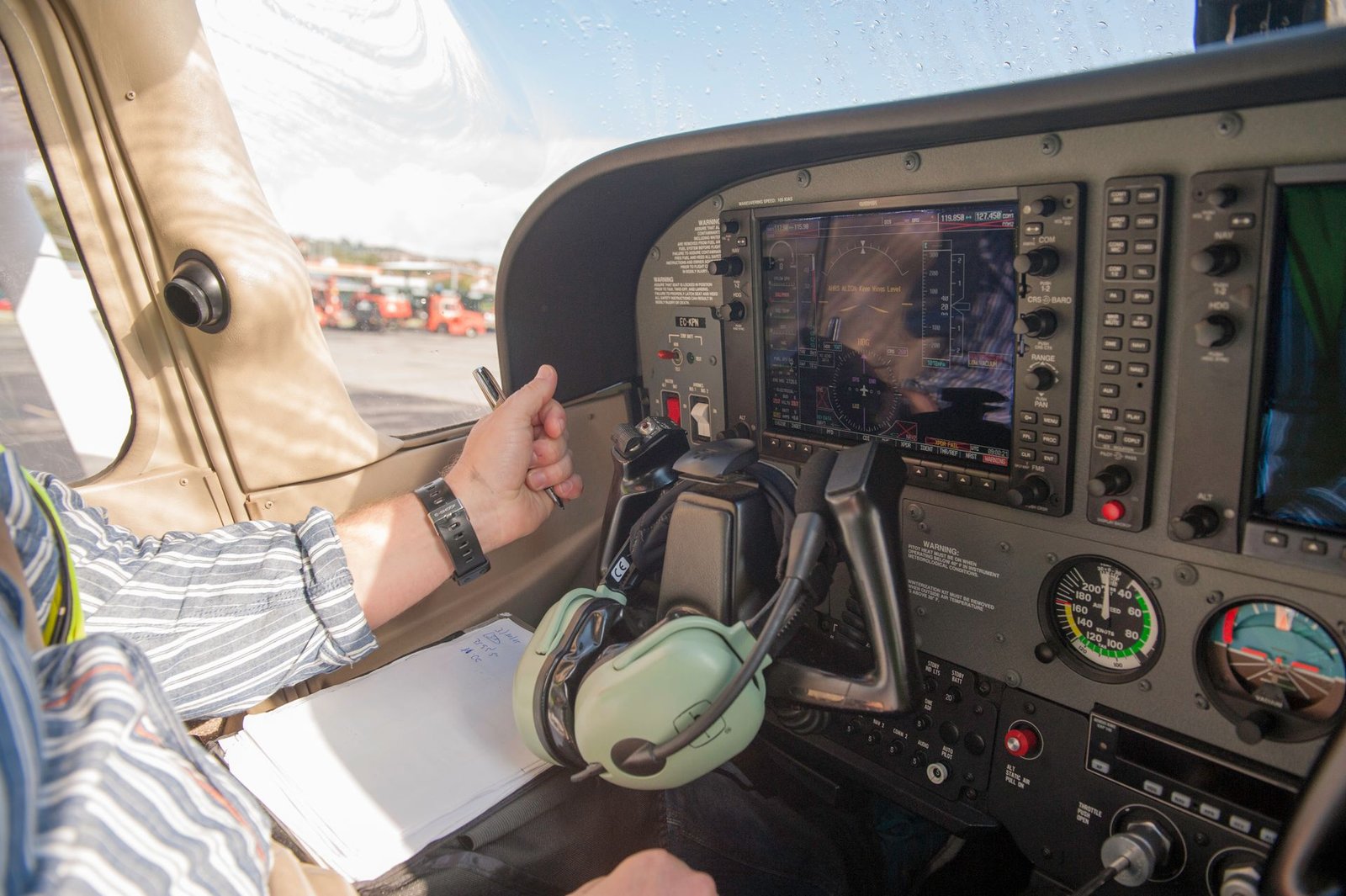
No degree, no flight hours, no tuition: ATC selects on aptitude alone. That is exactly why the aptitude tests are unforgiving.
How to Prepare: Strategies That Actually Work
- Start before a window opens. Campaigns appear rarely and close fast; capacity built in advance is the difference between applying and competing. Set alerts on your target providers' career pages.
- Train the cognitive core for weeks, not days. The 6 week study plan, pointed at the ATC modules, gives the preparation the right shape: weakness-first, daily, with full-length rehearsals.
- Apply to more than one provider. The skill core transfers almost entirely between batteries, so each additional application is nearly free.
- Keep English genuinely sharp. It is tested, and it is the language of the entire training that follows.
- Check the medical basics early. Confirm the Class 3 essentials before investing months in a pipeline that ends at an eye chart.
- Be honest about the temperament. Shift work, rigid procedures and sustained concentration suit some people wonderfully; our pilot vs ATC comparison helps you test the fit before committing.
Common Mistakes to Avoid
- Waiting for the "perfect" application window while training nothing.
- Preparing only radar games and failing the basic cognitive battery that gates them.
- Assuming a degree or flight experience gives an advantage; selection scores are the currency.
- Treating the training years casually; academies keep eliminating after the offer.
Frequently Asked Questions
Do I need a degree to become an air traffic controller?
In Europe, generally no. Providers typically ask for secondary education, strong English and passing scores in their own selection; aptitude results matter far more than academic credentials.
How long does it take to become a controller?
From first application to a fully rated controller commonly takes two to four years: months of selection, an academy phase, then on-the-job unit training to the full licence.
Is there an age limit for ATC?
Many European providers set application windows that favour younger candidates, with caps commonly in the mid-twenties to thirty, though rules differ by country and change over time. Check your target provider's current requirements early.
How much do air traffic controllers earn?
Compensation varies widely by country and unit, but European controllers are consistently among the best-paid non-degree professions, with pay rising substantially after full rating. Providers publish their own figures; treat third-party numbers with caution.
Practice This Skill
The trainable heart of this career path is the aptitude battery, and every reported format has a timed module in the Aviation Aptitude app's ATC track, from working memory to full sector simulation, with a free diagnostic to show where you stand today. Read the FEAST guide next, then your target provider's guide, and start the plan before the window opens.