Air traffic control hiring is rarer and stranger than pilot hiring: providers open application windows infrequently, thousands apply for a handful of academy seats, and the process can stretch across most of a year. The good news is that the widest gate, the cognitive testing phase, is also the most trainable part. This guide walks through the typical stages, what each one measures, and how the timeline usually runs.
What is the ATC Selection Process?
Controller selection is run by air navigation service providers (ANSPs), national organizations that hire in campaigns rather than continuously. A typical European pipeline: application screening, a first cognitive testing phase, a dynamic simulation phase, a personality questionnaire, interviews, then medical and security clearance before an academy start date. Many providers run the testing phases on FEAST, EUROCONTROL's selection system, while others use equivalent batteries of the same shape.
Selection ratios are famously steep, but the arithmetic is less frightening than it looks: most of the cut happens in the cognitive phases, exactly where structured preparation moves the needle most.
The Stages in Order
1. Application window. Providers publish windows that may open once a year or less. Requirements are modest, typically secondary education, language proficiency and age limits, so the filter is mostly formal correctness and timing.
2. First cognitive phase. A supervised battery of short tests: working memory, divided attention, vigilance, spatial orientation, speed distance time arithmetic, reasoning and English. This stage cuts the largest share of candidates.
3. Dynamic simulation phase. Radar-like work samples: keeping aircraft separated, sequencing decisions, strip sorting, of the kind trained in the dynamic radar, radar control and sector control modules. Assessors watch anticipation and composure as much as raw score.
4. Personality questionnaire. A trait profile with consistency detection, as described in our personality test guide. Honest and rested is the whole strategy.
5. Interviews. Motivation, teamwork, stress behavior, often with scenario questions. Some providers add a group exercise.
6. Medical and security clearance. A Class 3 medical (Europe) covering vision, hearing and general health, plus background checks. Sensible candidates verify the medical basics before investing months in the process.
7. Academy. Success ends at a paid or sponsored academy place, with further eliminations during training; the selection habit of steady daily skill work carries straight into it.
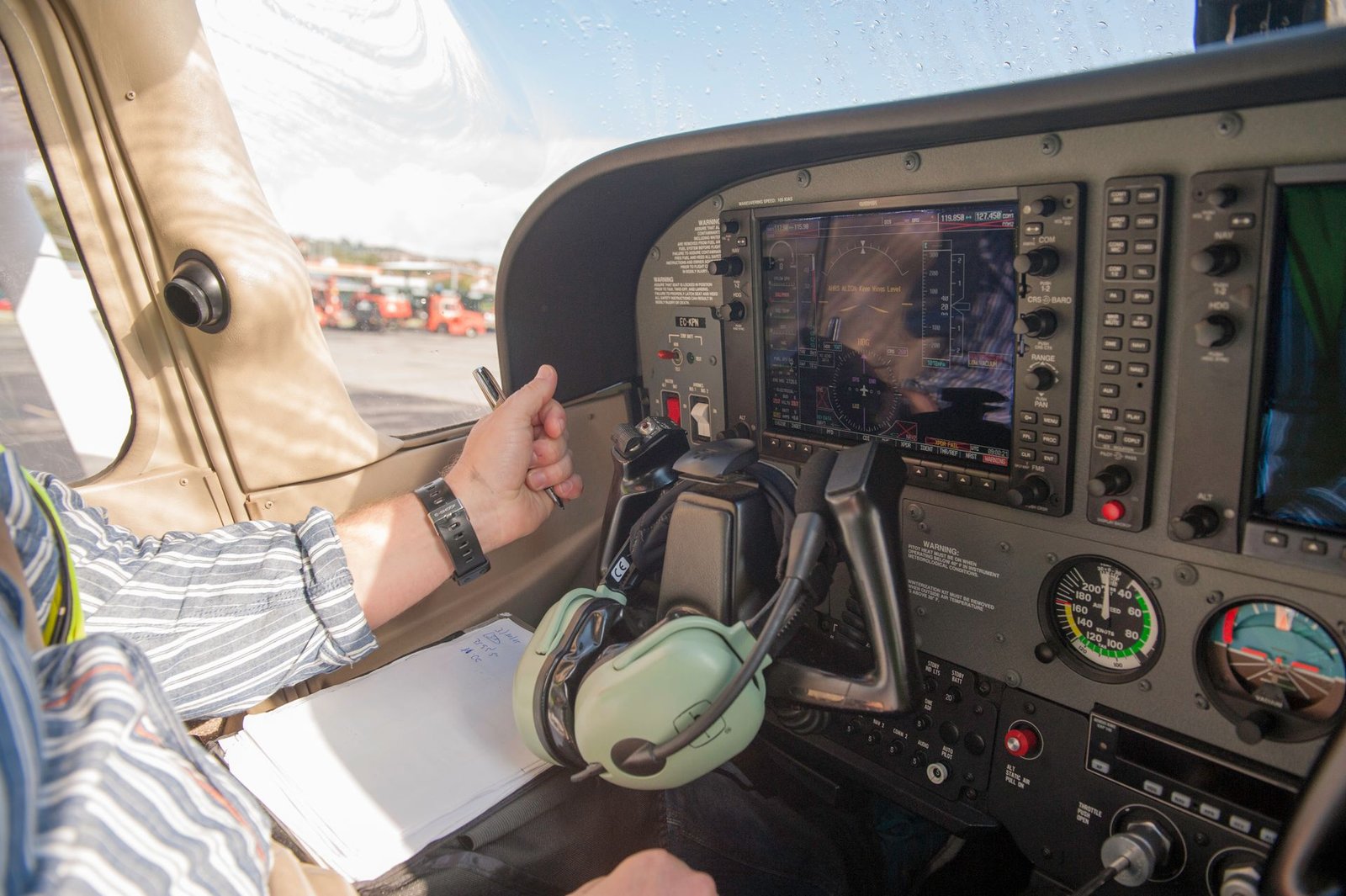
Providers are not hunting for finished controllers. They are hunting for nervous systems that stay accurate when three things happen at once.
How to Prepare: Strategies That Actually Work
- Start before the window opens. Cognitive capacity builds over weeks; candidates who begin at invitation email are choosing the cram strategy the tests punish.
- Train the first phase as a profile. Weakness-first practice across memory, attention, spatial and numerical modules, since a single weak area caps a multi-test battery.
- Automate speed, distance and time. The estimation reflexes, 300 knots is 5 NM a minute, appear in the first phase and again inside every simulation.
- Move to simulations early. Static skills transfer incompletely; scanning a moving traffic picture and intervening minimally, early, is its own skill and the radar modules train it directly.
- Keep English sharp. It is tested explicitly and implicitly: instructions, callsigns and questionnaires all run through it.
- Plan around the timeline. Months can pass between stages. Maintain two or three light sessions weekly between invitations instead of stopping and restarting.
Common Mistakes to Avoid
- Missing the application window itself; set alerts for your target providers, since some open rarely.
- Preparing only radar simulations because they look like the job, then failing the basic battery that gates them.
- Treating the personality phase as something to outsmart; consistency detectors read impression management as a flag.
- Letting long between-stage gaps erase trained capacity.
Frequently Asked Questions
How often do ATC application windows open?
It varies by provider: some run yearly campaigns, others open rarely and close within days under volume. Setting alerts on your target providers' career pages is genuinely important.
What medical do controllers need?
European controllers hold a Class 3 medical covering vision, hearing and general health; checking the basic requirements early protects you from investing months in a pipeline you cannot finish.
Is ATC training paid?
In most European systems yes: academy training is paid or sponsored by the provider, which is exactly why the entry filter is so selective.
Practice This Skill
The ATC track in the Aviation Aptitude app mirrors this pipeline: the cognitive battery formats, then radar simulations up to full sector control. Start with the free diagnostic, train weakness-first, and if you are still weighing this path against the flight deck, read our pilot vs ATC comparison.