Every airline pilot started with the same two questions: which route, and how much? The answers matter more than most newcomers realise, because the route you pick decides your costs, your timeline and even which selections you face. This guide compares the three main paths, puts honest ranges on money and time, and shows where the trainable bottleneck, aptitude selection, sits in each of them.
What Are the Routes to the Flight Deck?
Three paths dominate worldwide, all ending at the same licence set: a commercial licence with instrument rating and airline theory credits, plus a type rating for the aircraft you will fly.
Integrated training takes you from zero to airline-ready in one continuous full-time programme at a single academy, commonly around 18 to 24 months. It is the most structured and usually the most expensive route, with European programmes commonly quoted in the range of roughly 80,000 to 130,000 euros; verify current pricing directly, as it moves.
Modular training builds the same licences step by step, private licence, hour building, commercial licence, instrument rating, at your own pace and often alongside work. It is typically cheaper overall and far more flexible, at the cost of structure and sometimes airline perception; timelines commonly run two to four years.
Cadet programmes attach training to a specific airline from day one: selection first, then training with a conditional job at the end. Funding models range from fully sponsored, as our British Airways guide describes for the Speedbird Pilot Academy, through partly financed schemes like those in our Lufthansa and easyJet guides, to self-funded academy routes with airline mentoring, as with Ryanair and Wizz Air. Gulf carriers run their own versions, covered in our Emirates and Qatar Airways guides.
Where Selection Decides Everything
Whichever route you choose, an aptitude selection stands at its entrance: academies screen integrated students, airlines screen cadets, and even modular pilots meet testing at airline entry. The batteries differ by name, DLR, COMPASS, cut-e, PILAPT, ADAPT, but sample the same trainable core: memory, attention, spatial reasoning, arithmetic and multitasking. The full pipeline of stages is mapped in our airline pilot selection guide.
This is the practical takeaway for planning: the cheapest thing you will ever do in this career is prepare properly for selection, and the most expensive is failing a funded cadet gate you could have trained for.
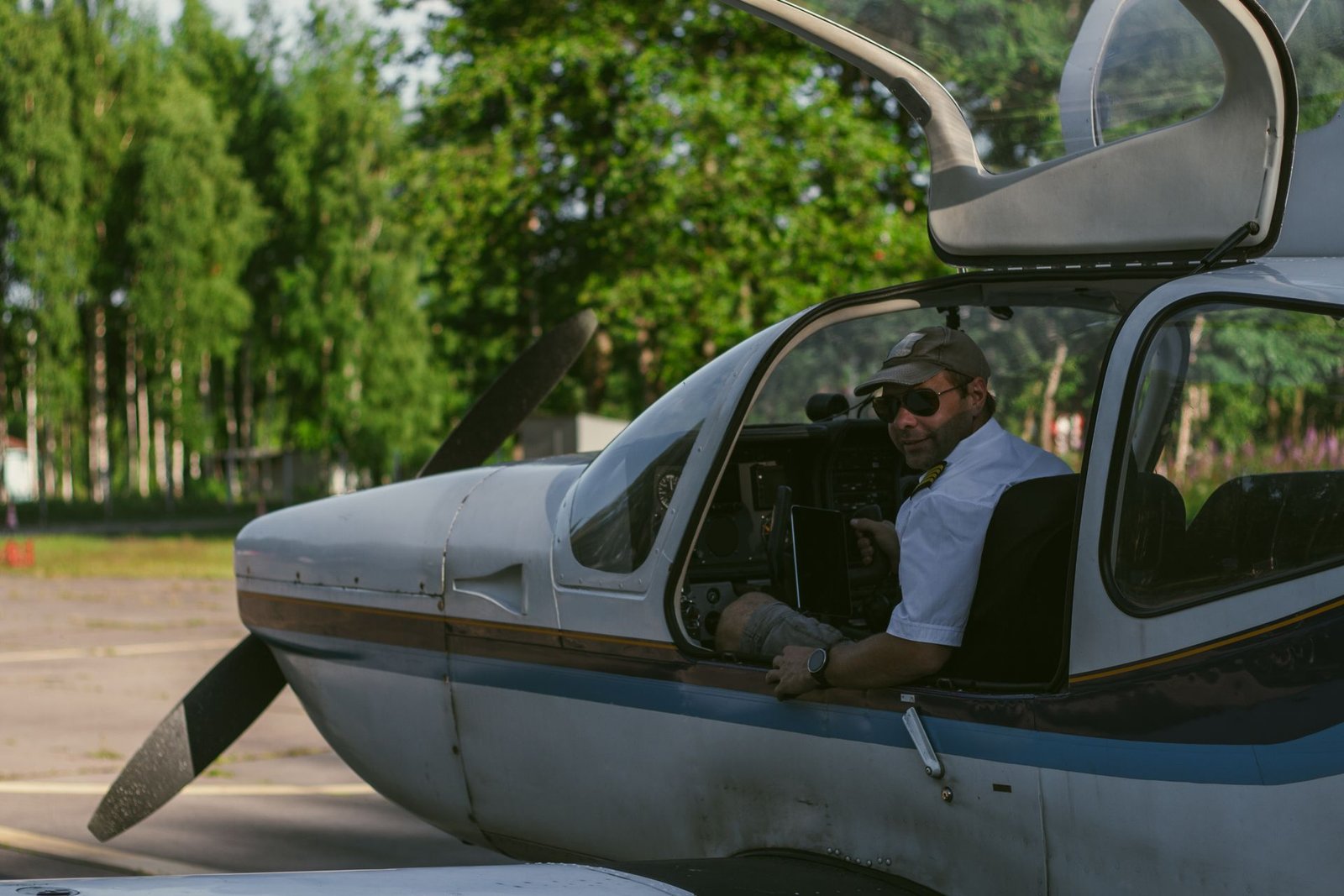
Pick the route with your finances, but win the seat with your preparation: every route begins at an aptitude test.
How to Choose: Strategies That Actually Work
- Chase cadet windows first. Funded and financed programmes are the best economics in aviation; applications cost little beyond preparation, so being ready before windows open, as our study plan structures, is the highest-value move available.
- Price the whole journey, not the course. Add living costs, exam fees, medical, and the type-rating question; some quotes include it, many do not.
- Secure the Class 1 medical before spending. A certification surprise after a deposit is the route's cruellest failure; book the medical first.
- Judge academies by airline outcomes. Placement history with real airlines beats marketing fleet photos; ask where the last three classes went.
- Use modular flexibility strategically. If funding is the constraint, modular lets you earn while training and re-enter cadet selections later with hours in hand.
- Train the aptitude core early regardless of route. It gates every door, transfers across all batteries and decays slowly once built.
Common Mistakes to Avoid
- Signing an integrated contract before ever sitting a practice aptitude battery.
- Ignoring cadet programmes because they look too competitive, when preparation is exactly what separates their winners.
- Comparing routes on sticker price while ignoring type ratings, living costs and lost income.
- Rushing the timeline: arriving at selection undertrained wastes the least recoverable resource, your attempt.
Frequently Asked Questions
How much does it cost to become an airline pilot?
Self-funded routes commonly total roughly 70,000 to 130,000 euros in Europe once living costs are included, while sponsored cadet schemes can reduce the candidate's share dramatically; treat every figure as time-limited and verify with providers.
How long does it take to become an airline pilot?
Integrated and cadet routes commonly run 18 to 24 months of training after selection; modular paths typically take two to four years alongside other commitments.
Do airline pilots need a university degree?
In Europe generally no: licences, medical fitness and selection performance carry the weight. Some airlines and regions value or require degrees, so check your targets.
Can I become a pilot if I wear glasses?
Commonly yes, within correctable limits defined by the Class 1 medical standards; an aeromedical examiner can confirm your case before you spend anything on training.
Practice This Skill
The one asset every route rewards is aptitude-test readiness, and it is free to start building: the Aviation Aptitude app covers the formats behind DLR, COMPASS, cut-e, PILAPT and ADAPT style batteries with a diagnostic that shows where you stand today. Pair it with the selection process guide and the 6 week study plan, and be ready before your window opens.